
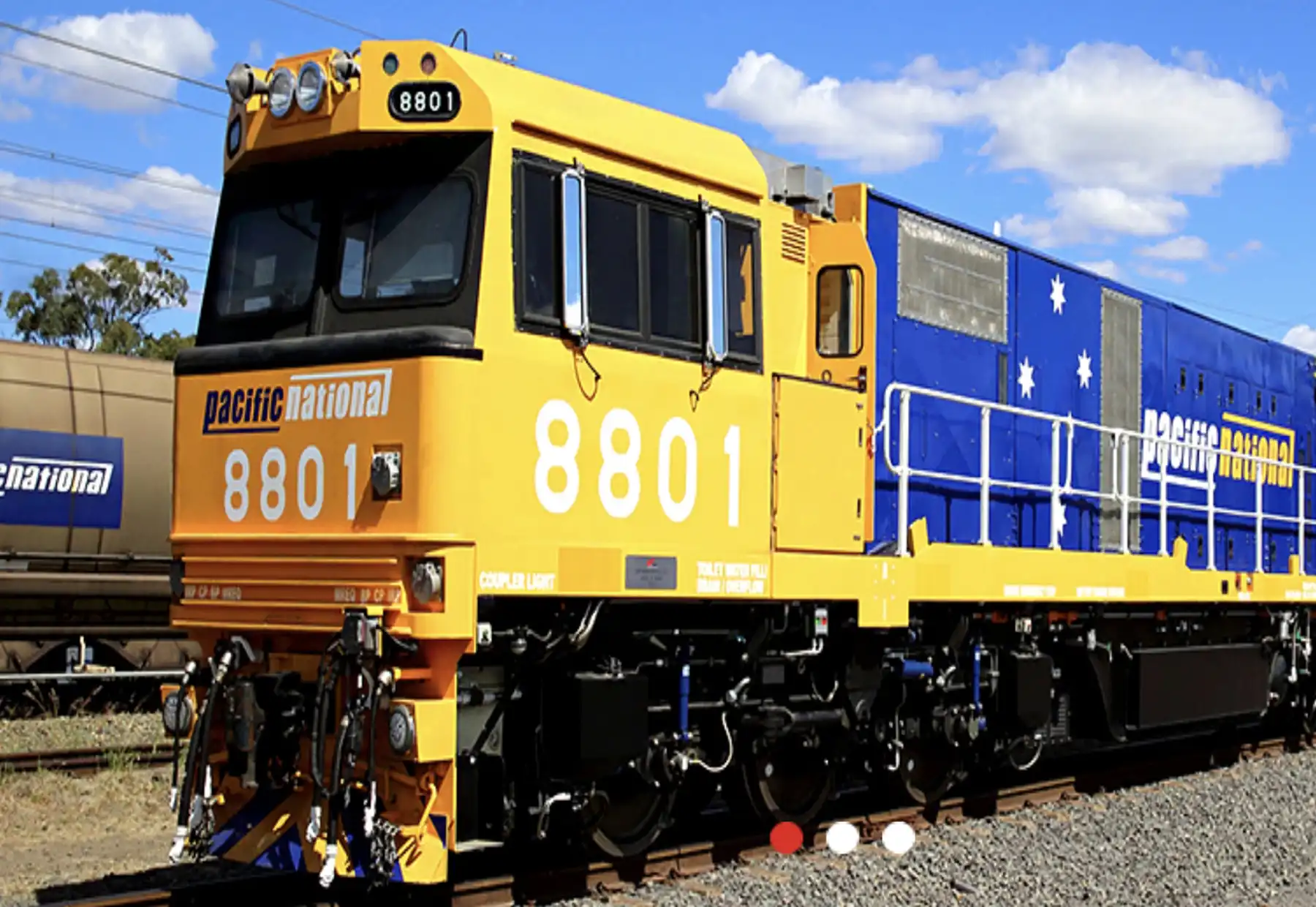
Extension of High‑Temperature Exhaust Valve Applications: From Marine Engines to Land‑Based Locomotive Systems
High temperature exhaust valves play a critical role in regulating emissions and ensuring efficient, stable operation in modern power systems. Their performance directly influences energy efficiency, environmental compliance, and equipment lifespan. Building on decades of experience with high performance butterfly valves for two stroke marine engines, Somas has now taken a significant technological step forward—successfully adapting its solutions for land based locomotive systems.
This development is not merely a transfer of technology from one environment to another; it represents a comprehensive upgrade in durability, temperature resistance, and control performance.
Proven Technology from Marine Applications
Two‑stroke marine engines operate in environments characterized by high humidity, salt exposure, and relatively stable exhaust temperatures. Somas butterfly valves have been widely used in these systems thanks to:
- precise flow control
- strong corrosion resistance
- stable sealing performance and low failure rates
Years of reliable operation at sea have provided valuable engineering data and a solid foundation for expanding into more demanding land‑based applications.
Breakthrough in Temperature Resistance: Up to 570°C
Locomotive systems face far more dynamic and challenging conditions. To meet these requirements, Somas has developed a new high‑temperature valve platform featuring:
- increased temperature capability from 350°C (marine) to 570°C (locomotive)
- optimized material combinations, including 1.4404 for the valve body and 1.4835 for seats and stems, with Inconel retained for bearings
- improved creep resistance and high‑temperature stability
- a three‑piece seat design that prevents seal ageing and leakage during long‑term high‑temperature operation
These enhancements ensure consistent sealing performance and control accuracy even under continuous thermal stress.
Customized Solutions for Four Key Locomotive Exhaust Functions
To fully meet the needs of locomotive manufacturers, Somas has engineered tailored valve solutions for four critical positions in the exhaust system:
- Waste gate — regulates turbine speed and boost pressure
- EGR valve — controls exhaust gas recirculation to reduce NOₓ emissions
- Exhaust flap — improves exhaust efficiency and stabilizes engine output
- Blow off valve — protects the turbocharger by releasing excess intake pressure
Together, these components form a robust, efficient system that enhances locomotive performance, environmental compliance, and operational reliability.
Optimized Design for Vibration and Limited Installation Space
Locomotives expose components to intense vibration and tight installation constraints. Somas has addressed these challenges by:
- reducing overall valve dimensions
- reinforcing structural integrity to withstand long term vibration
- improving mounting interfaces to minimize wear and maintenance
These improvements contribute to lower system weight, extended product lifespan, and better operational economy.
Enhanced Control System for Dynamic Operating Conditions
Locomotives operate under rapidly changing conditions—acceleration, deceleration, idling—requiring fast and precise valve response. Somas has:
- refined valve positioner parameters
- optimized control algorithms
- reduced opening and closing response times
This enables real time adjustment of exhaust flow based on engine load, ensuring stable and efficient operation.
A Technological Leap That Opens New Opportunities
The expansion from marine to land based locomotive applications demonstrates Somas’ ability to combine proven engineering with innovative development. By strengthening temperature resistance, optimizing mechanical design, and upgrading control performance, Somas now offers a complete and reliable solution for modern locomotive power systems—laying the groundwork for future applications across land based energy and propulsion sectors.